As a seasoned interior design professional with more than a decade of experience, I have helped countless homeowners turn compact baths into highly functional retreats. When space is tight, clever planning, durable materials, and a clear style direction matter just as much as fixtures. This article delivers practical small bathroom ideas that address layout, storage, lighting, finishes, and budget, so you can plan with confidence and achieve a space that feels larger than its actual footprint.
Smart layout principles for small bathrooms
The most effective small bathroom ideas start with layout. A well considered plan focuses on traffic flow, accessibility, and the illusion of space.
- Maximize vertical space with tall storage and recessed niches for toiletries.
- Choose a door that does not steal precious square footage; pocket or sliding doors are ideal for tight rooms.
- Prefer frameless glass panels and clear shower enclosures to keep sightlines open.
- Use a wall mirror or mirrored cabinets to reflect light and create a sense of depth.
When possible, position the vanity against a wall that does not interrupt the main walkway. If you have a long hallway style bath, a shallow vanity with a wall mounted faucet can free floor space while preserving usability. Color and finish choices should stay light and cohesive to avoid visual clutter and to enhance brightness.
Storage-first mindset
Storage is the backbone of practical small bathroom ideas. Build in places to stow daily essentials without crowding the room.
- In-cabinet organizers and pull-out drawers maximize every inch of a vanity.
- Recessed niches in the shower or above the toilet provide convenient spaces for soaps and towels.
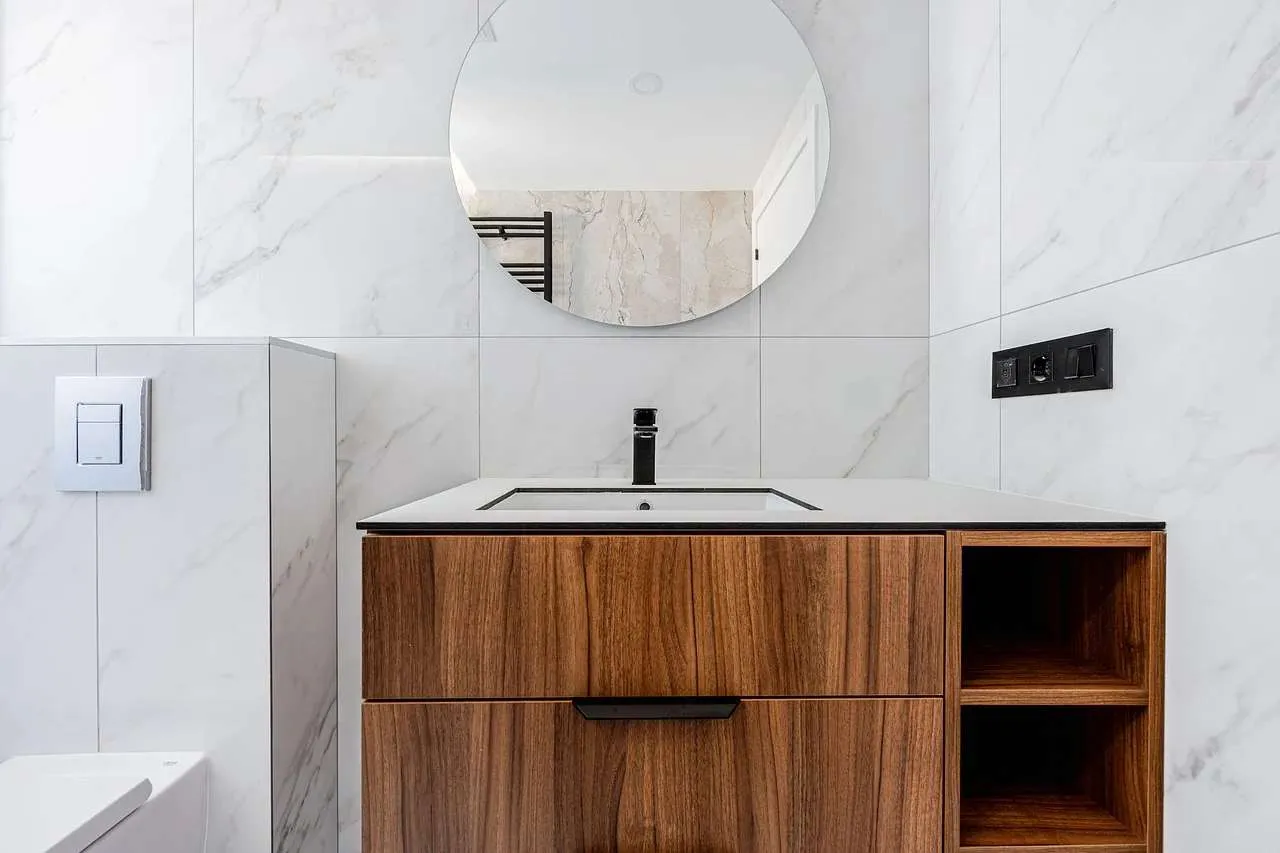
- Floating vanities create the perception of more floor area and ease cleaning underneath.
Space-saving fixtures and storage
Fixture choices drive both function and perception of space. The right combination can dramatically improve usability in a small bathroom.
Vanities and storage
Consider these options to optimize storage without sacrificing floor area:
- Wall-mounted vanities with shallow depths (around 14-18 inches) preserve floor space and make the room feel airier.
- Corner vanities effectively use awkward corners, especially in square plans, while keeping the center open.
- Tall, slim medicine cabinets or recessed medicine cabinets with integrated lighting add storage without bulk.
In all cases, match hardware finishes to the rest of the bath for a cohesive look. Neutral tones with a subtle sheen help reflect light and reduce visual heaviness.
Shower solutions
A compact shower can be as comfortable as a larger one when thoughtfully designed.
- Walk-in showers with a single glass panel visually connect spaces and reduce visual barriers.
- Shower trays should be slightly recessed and paired with a low-profile threshold to keep lines clean.
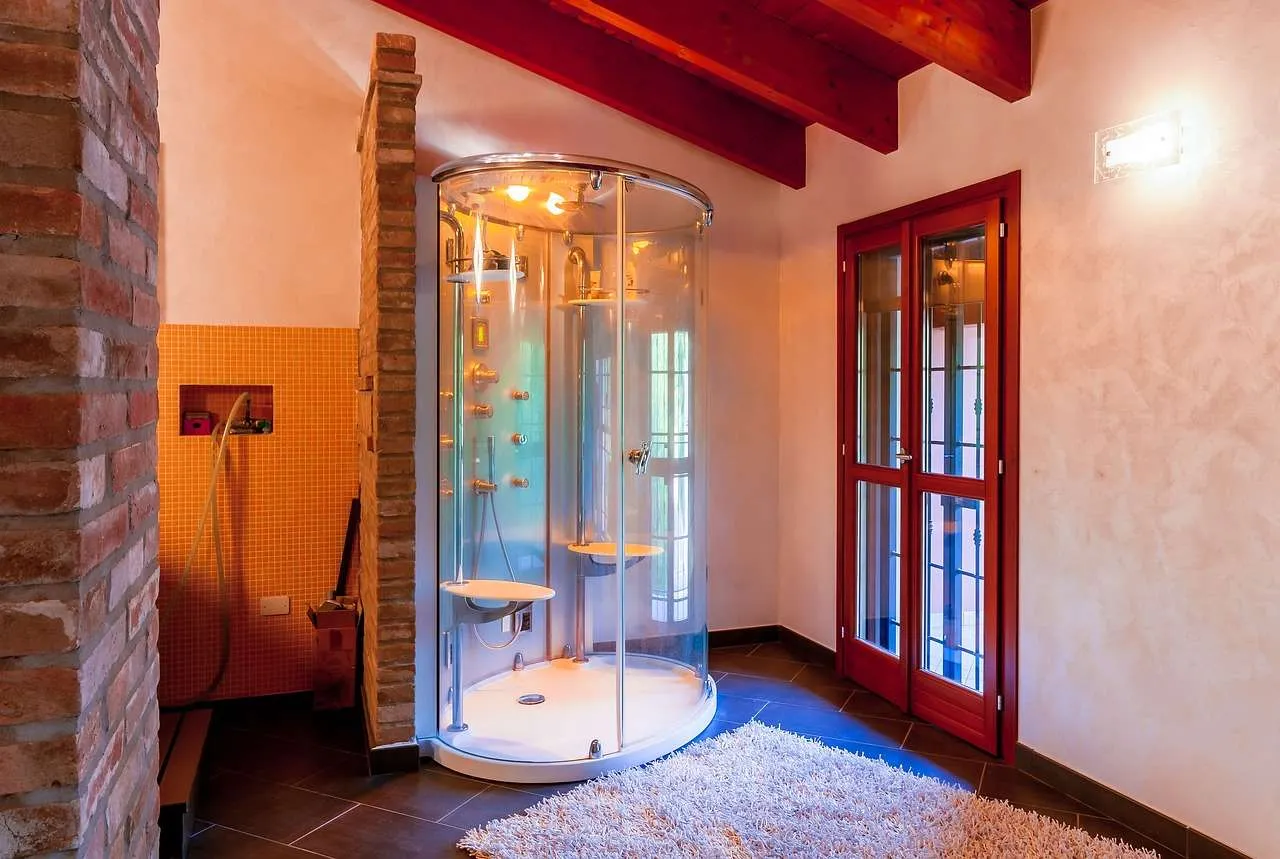
- Consider a curved or neo-angle shower for more interior elbow room without sacrificing footprint.
Lighting and color to maximize perception of space
Lighting and color are two inexpensive levers that significantly influence how large a small bathroom feels. Layered lighting and a cohesive color palette create a brighter, more open atmosphere.
Layered lighting
Adopt three layers of light for functionality and ambiance:
- Ambient lighting overhead to illuminate the room evenly.
- Task lighting around mirrors for grooming and makeup without harsh shadows.
- Accent lighting to highlight architectural features or to add warmth at night.
Color and finishes
Light neutral tones such as soft whites, warm beiges, or pale blues are timeless for small baths. Use a slightly darker shade for an accent wall or cabinetry to introduce depth without absorbing light. Materials with reflective surfaces, like polished porcelain tile or glass mosaics, further amplify brightness.
Materials, finishes, and maintenance
Durability matters in a small bath where moisture and humidity are constant. Choose materials that are easy to clean and resistant to water exposure.
- Porcelain or ceramic large-format tiles on walls and floors reduce grout lines and simplify cleaning.
- Quartz or solid surface countertops resist moisture and wear well in a high-use space.
- Solid brass or corrosion-resistant finishes on faucets extend life in wet environments.
Sealants and grouts should be mold-resistant and easy to maintain. Regular cleaning and prompt repair of any leaks preserve the look and functionality of the space over many years.
Practical budget and renovation plan
For small bathroom ideas, planning a phased renovation can minimize disruption and cost. Start with essential upgrades that improve daily use, such as a new vanity, shower enclosure, or lighting. If budget is limited, prioritize durable fixtures with simple, timeless finishes that stay appealing for years.
When sourcing materials, choose standard sizes to reduce waste and shipping costs. Hire a licensed contractor for plumbing and electrical work to ensure safety and code compliance, which is a core element of a credible remodeling project.
Quick reference: vanity and shower options
| Option | Pros | Cons | Best For |
|---|---|---|---|
| Wall-mounted vanity | Frees floor space; easy cleaning | May require strong wall studs; higher cost | Small to mid-size baths with wall strength |
| Corner vanity | Efficient use of corners; compact footprint | Limited counter space | Rectangular or corner-focused layouts |
| Floating vanity | Visible floor area; modern look | Height customization needed | Contemporary small baths |
| Pedestal vanity | Very slim profile; great for ultra-tight spaces | No under-vanity storage | Ultra-compact baths or powder rooms |
| Shower option | Pros | Cons | Best For |
|---|---|---|---|
| Frameless glass shower | Clean look; visually enlarges space | Can be pricey; requires precise installation | Open, airy bathrooms |
| Shower with sliding door | Space-saving entry | Tracks may require maintenance | Small baths with 2 doors side-by-side |
| Niche shower with bench | Functional and accessible | Adds alcove area, may reduce space | Accessible design or spa-like feel |
These comparisons help you choose fixtures that fit your space, budget, and maintenance preference while preserving a cohesive design language. Always consult with a design professional to tailor selections to your exact floor plan and plumbing constraints.
Conclusion, a well-executed small bathroom idea hinges on smart layout, space-saving storage, layered lighting, and durable finishes. By prioritizing storage, selecting appropriate fixtures, and maintaining a light, cohesive color palette, you create a bathroom that feels larger, functions better, and remains stylish for years to come. Summary: Small bathroom ideas succeed when you plan with purpose, invest in compact storage, embrace light tones, and choose fixtures that maximize the visible space while delivering lasting value.